About
-
MORE
Contact Us
-
LEARN MORE
Venue Rentals
-
MORE
Careers at BAM
-
GET RELEASES AND MORE
Press Info
-
VISIT
The Shelby White & Leon Levy BAM Digital Archive
-
LEARN MORE
BAM Coronavirus Updates
LEADERSHIP
-
 Leadership
Tamara McCaw, President
Tamara McCaw, President
Tamara McCaw, returning to BAM as President, is a seasoned executive leader with over 25 years of experience addressing mission-driven cultural institutions and a deep knowledge of BAM. -
 Leadership
Amy Cassello, Artistic Director
Amy Cassello, Artistic Director
A programming veteran with a background in arts administration, Amy Cassello joined BAM in 2012 as the associate producer for the Next Wave Festival and was officially named BAM's artistic director in June of 2024.
-
Board of Trustees
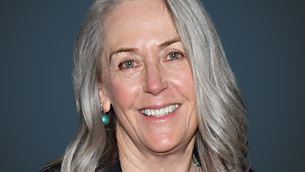
Board of Trustees
BAM’s Board of Trustees is a diverse mix of New York City’s corporate, civic, cultural, and educational leaders.


ARCHIVES / SHOP
-
 HISTORY
Welcome to The Shelby White & Leon Levy BAM Digital Archive
Welcome to The Shelby White & Leon Levy BAM Digital Archive
A curated collection of highlights from BAM’s history, including Next Wave shows, DanceAfrica performances, and Artist Talks.
-
 History
BAM Hamm Archives
BAM Hamm Archives
The BAM Hamm Archives Center houses more than 150 years of BAM history and is a rich resource for research and education. The collection ranges from 19th century playbills to videos of defining artistic moments.
-

Purchasing BAM Merchandise
Purchasing BAM Merchandise
BAM is thrilled to partner with Greenlight Bookstore to offer books, clothing, and other BAM related merchandise. Kiosks are located in the lobby of the Peter Jay Sharp Building and the Harvey Theater during mainstage performances. Additionally you may purchase online through Greenlight Bookstore at any time.



Discounted Ticketing
-
 COMMUNITY
Seniors at BAM
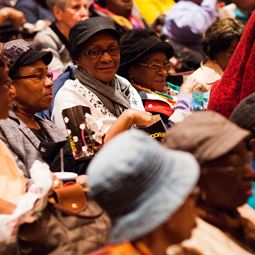
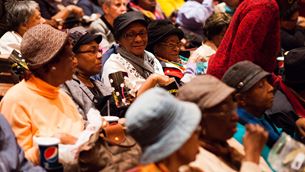
Seniors at BAM
BAM has several initiatives to make our programs accessible to senior audience members. -
 Community
Veterans at BAM
Veterans at BAM
BAM recognizes the contributions of US service members by offering discounted tickets to veterans and active duty.